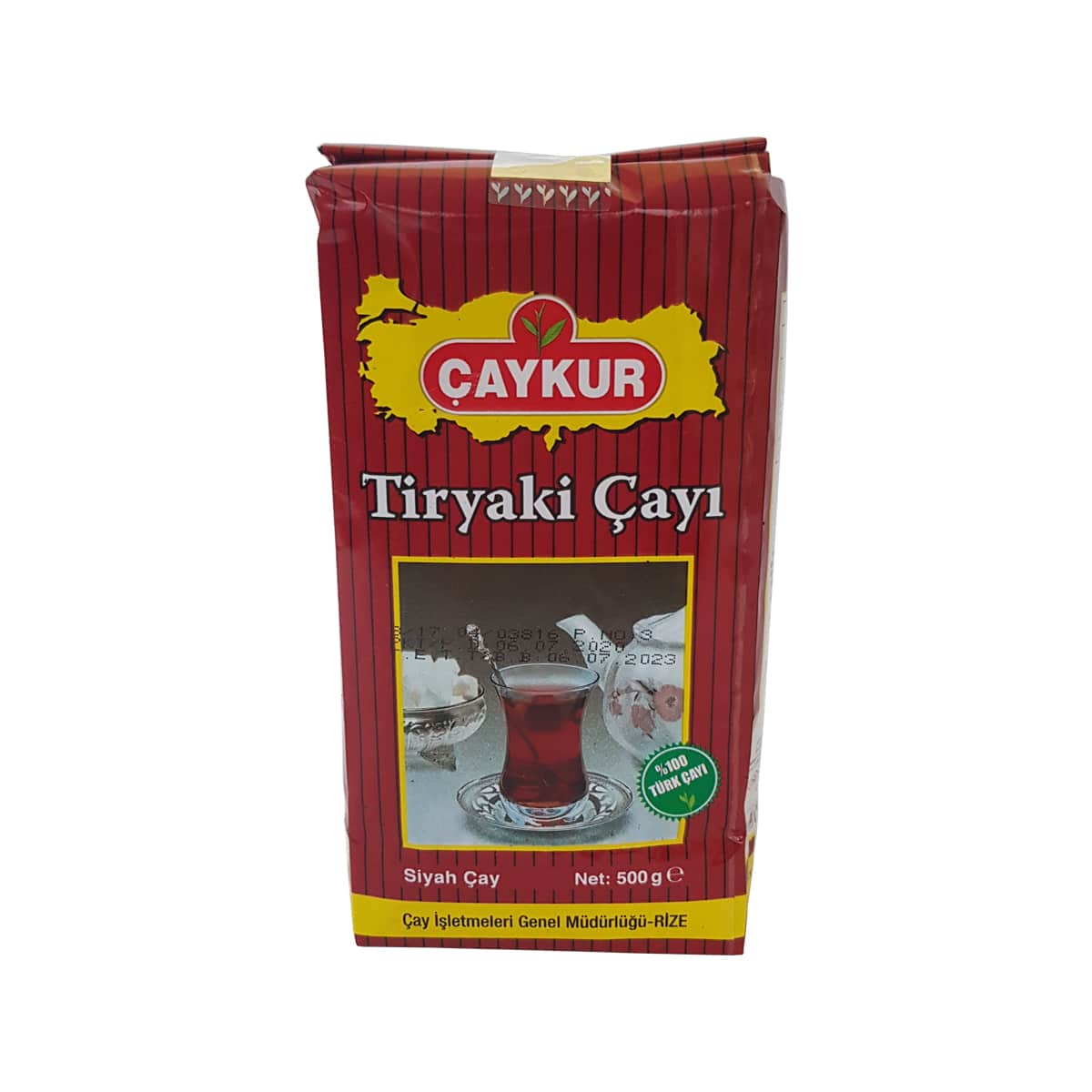
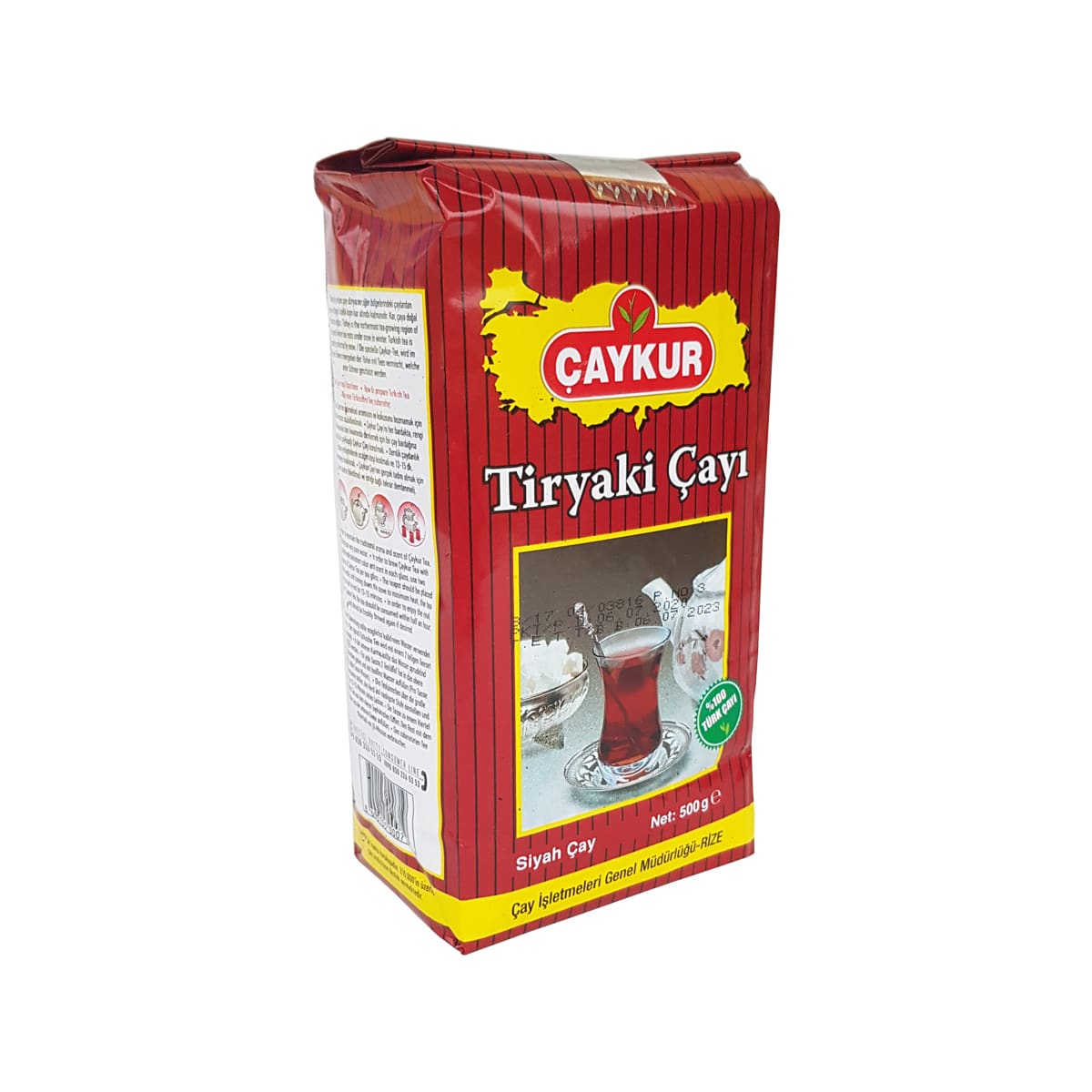
A special mixture that you can drink at any time of the day. The quality, the ideal taste, the delicious aroma and the soft texture of Tiryaki create an addiction to tea lovers. It does not contain additives, but adds warm friendship to people from all over the country.
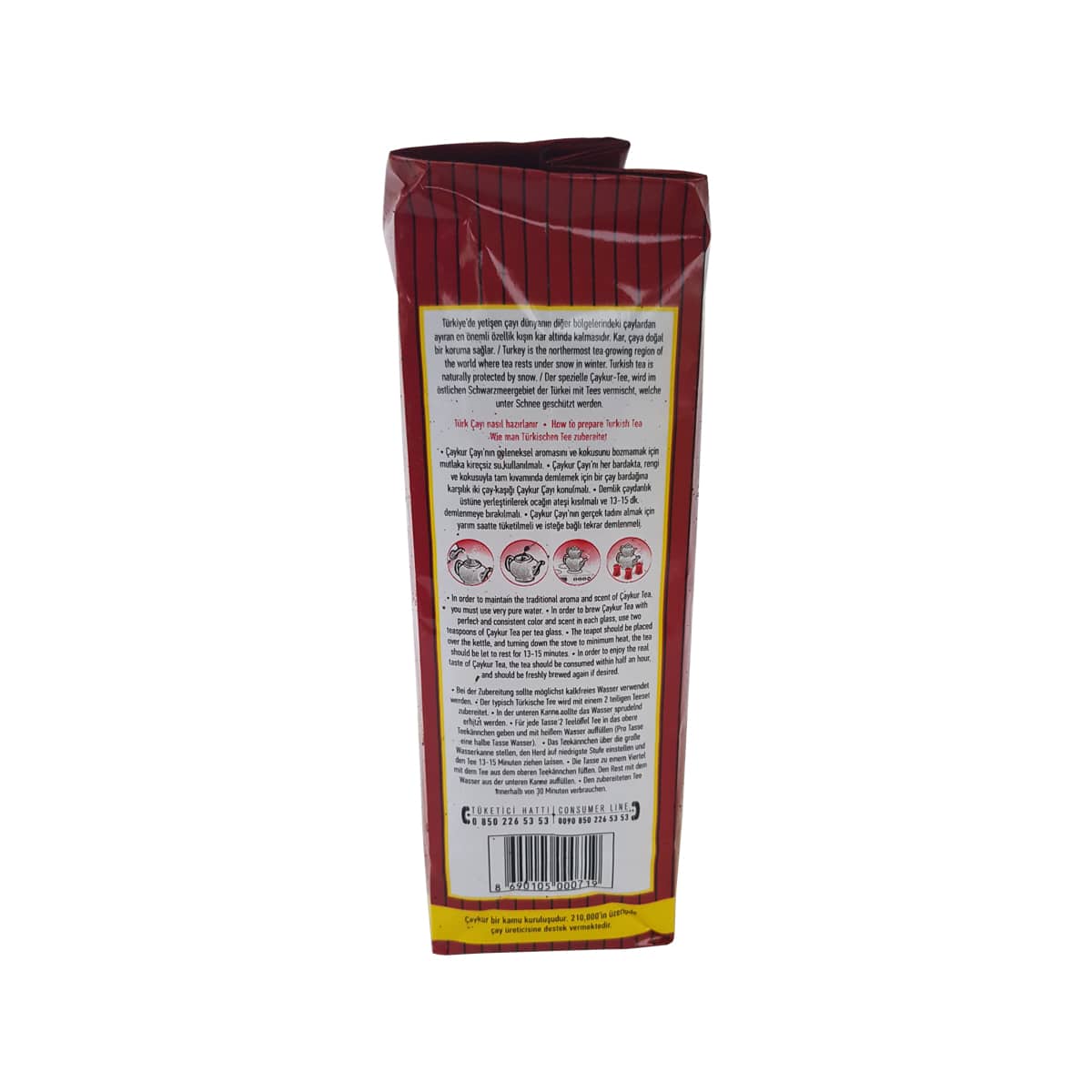
How to make a good Turkish tea?
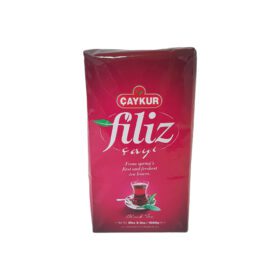
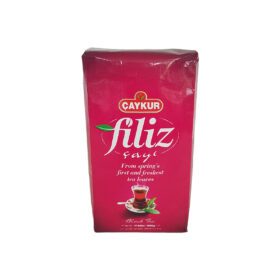
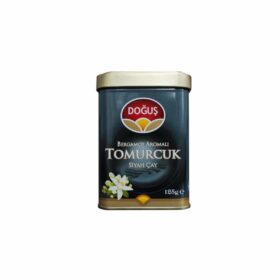
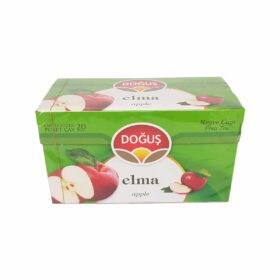
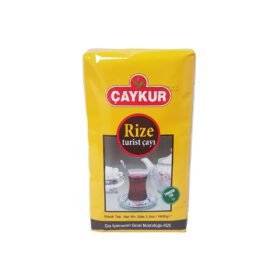
Tea – there are several brands of Turkish tea. Çaykur is the oldest company that produces tea in Turkey. There are also the youngest and as successful as Doğuș. Regardless of the brand I get, I always check the year of production. Well -packed tea expires on average after two years. My choice is the tea from the east of the Black Sea, with the aroma of bergamot.
Water – the use of good quality water is essential. It must be soft, however, spring water. Bottled drinking water is the safest choice to avoid chalk or chloride.
Poor – Turkish tea comes in two pieces: the bottom metal vessel for water and the smallest tea countertop. The upper song plays an important role in this process. Therefore, it must be the best material for the occasion, which is the porcelain.
Port – the amount of water is measured approximately, but for tea you can use this rule: a spoon of desert full of person tea.
By making the tea – add the tea to the top and put the water to boil at the bottom of the kettle. When the water is boiling, add some to the top bowl, reduce the heat to a minimum and wait 10-15 minutes before serving.
The history of Turkish tea
Surprisingly, compared to the history of thousands of years, Turkish tea is relatively young. Some sources mention that the Turks have traded and consumed tea since 400 BC, but it is certain that tea has become common in Turkey since the 1900s.
The first attempt to cultivate tea on Turkish Earth took place in the Stock Exchange between 1888 and 1892. He failed to create part of this inadequate ecological for tea cultivation. In 1924, the Parliament adopted a law on the cultivation of tea in the Black Sea region. At the end of the 30s, 70 tons of black tea seeds and import from Georgia for a growth in the region. In 1940, an additional law cares for the farmers and protects the rights for an increased tea cultivation in the region. Today, 767 million meters land are used for tea cultivation and is a second-consumed Turkish drink after water.
 English




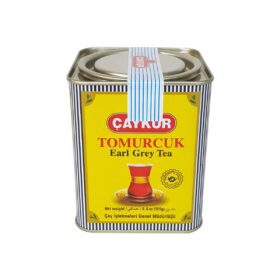
 Out of stock
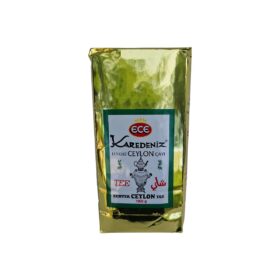
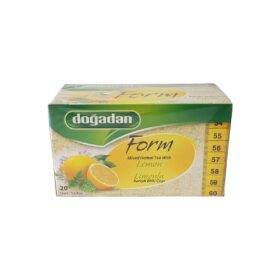
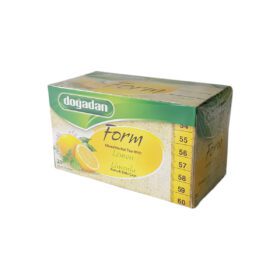
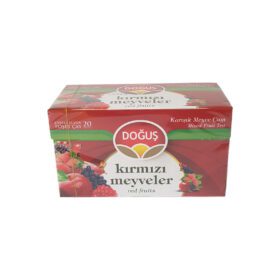
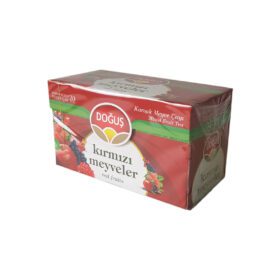
 Out of stock
Reviews
There are no reviews yet.